disleaf
Definition
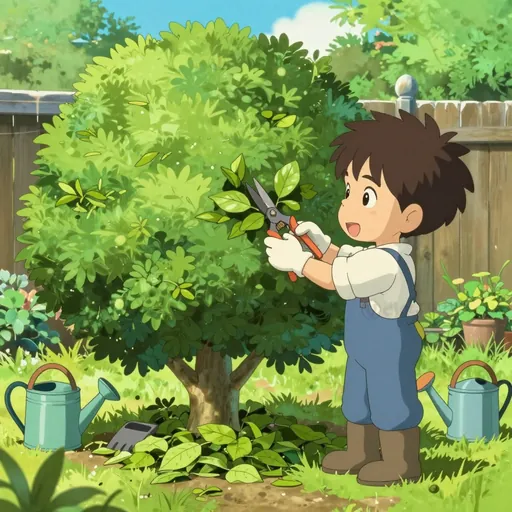
Verb (transitive): - To strip or remove leaves from (a plant or tree): "disleaf" means to take away the leaves, either deliberately (e.g., by pruning) or as a result of damage (e.g., wind or pests).
Usage Examples
- (The gardener removed all the leaves from the shrubs.)
- (The storm caused all the leaves to fall off the trees.)
- (Farmers strip leaves from crops for better growth.)
Advanced Usage
- "to disleaf a plant": to perform leaf removal for horticultural or agricultural purposes.
- They disleafed the tomato plants to reduce the risk of fungal disease. (They removed leaves to prevent infection.)
- "to disleaf by hand": to remove leaves manually.
- The workers disleafed the grapevines by hand before harvest. (They picked off leaves by hand.)
Variants and Related Words
- Disleafed (adj): having had its leaves removed.
- The disleafed tree looked bare and vulnerable. (The tree without leaves appeared exposed.)
- Disleafing (n): the act or process of removing leaves.
- Disleafing is common in some fruit-growing regions. (The removal of leaves is a standard practice.)
Synonyms
- Defoliate: to strip of leaves (more common in formal or scientific contexts).
- Caterpillars can defoliate entire forests. (They eat or remove all leaves.)
- Strip leaves: to remove leaves from a plant.
- He stripped the leaves from the branch. (He pulled off the leaves.)
- Unleaf: a less common synonym, meaning to remove leaves.
Related Idioms
- There are no common idioms using "disleaf" directly, as it is a rare technical term. However, related phrases include:
- "to lose one's leaves": a natural process, not an idiom.
- "to be stripped bare": to have everything removed, including leaves.
- After the frost, the garden was stripped bare. (All leaves were gone.)