hermaphroditical
- Adjective:
- Having both male and female reproductive organs: "hermaphroditical" describes an organism, especially an animal or plant, that possesses both male and female reproductive structures naturally.
- Relating to hermaphroditism: Pertaining to the condition of being a hermaphrodite, where an individual has both male and female sexual characteristics.
- Figurative use: Occasionally used metaphorically to describe something that combines two distinct or opposing qualities.
Biological context:
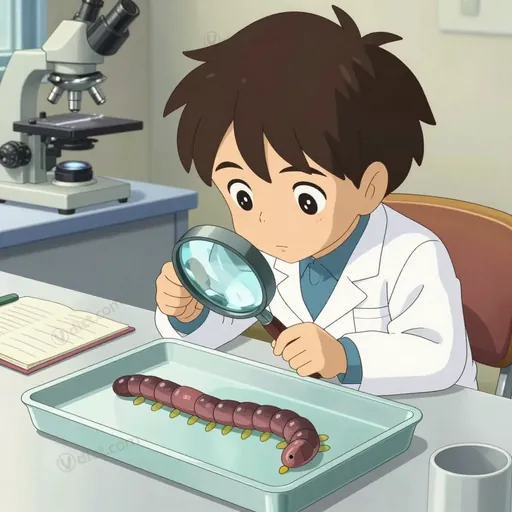
- The earthworm is a hermaphroditical organism, as each individual contains both testes and ovaries. (The earthworm has both male and female reproductive organs.)
- Many flowering plants are hermaphroditical, having stamens and pistils in the same bloom. (The flowers contain both male and female parts.)
Figurative context:
- The sculpture had a hermaphroditical quality, blending masculine and feminine forms seamlessly. (The artwork combined both male and female characteristics.)
"hermaphroditical duct": A specific anatomical term referring to a duct that functions for both male and female reproductive systems in certain organisms.
- In some flatworms, the hermaphroditical duct allows for both sperm and egg transport. (The duct serves both reproductive functions.)
"hermaphroditical nature": The inherent condition of having both sexes.
- The hermaphroditical nature of the snail enables self-fertilization when no mate is available. (The snail's biology allows it to reproduce alone.)
Hermaphrodite (noun): an organism having both male and female reproductive organs.
- The garden snail is a common hermaphrodite. (The snail has both sexes.)
Hermaphroditism (noun): the condition of being hermaphroditic.
- Hermaphroditism is normal in many plant and invertebrate species. (The condition is natural.)
Hermaphroditic (adjective): a more common variant of "hermaphroditical," meaning the same thing.
- The hermaphroditic fish can change sex during its lifetime. (The fish has both sexual capabilities.)
Bisexual: having both male and female sexual characteristics (often used in biology).
- The flower is bisexual, containing both stamens and pistils. (It has both sexes.)
Androgynous: having both male and female characteristics, often used for appearance or behaviour.
- The plant's androgynous structure allows self-pollination. (It combines male and female features.)
Monoecious: having separate male and female flowers on the same plant (specific to botany).
- Cucumber plants are monoecious, with male and female flowers on the same vine. (They have both sexes on one plant.)
"A hermaphroditical nature": used metaphorically to describe something that is dual or ambiguous.
- The committee had a hermaphroditical nature, serving both advisory and executive functions. (It had two distinct roles.)
"Hermaphroditical union": a rare, poetic phrase meaning a combination of opposites.
- Their partnership was a hermaphroditical union of creativity and logic. (It blended two contrasting qualities.)