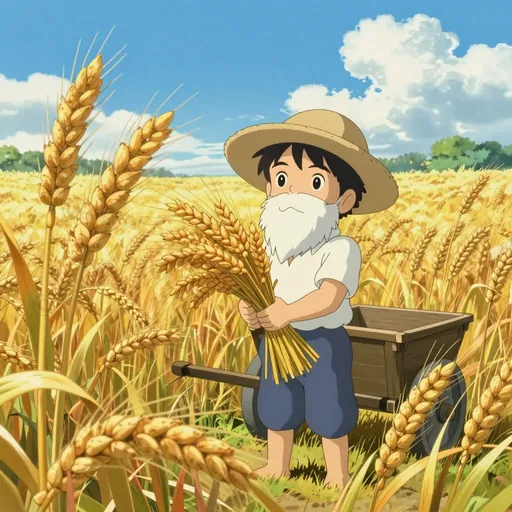
triticum aestivum spelta
Definition
Noun * A subspecies of wheat: Triticum aestivum spelta is the botanical name for a specific, hardy type of wheat, commonly known as spelt. It is characterized by its tough husk that tightly encloses the grain.
Usage
- This term is primarily used in botanical, agricultural, and scientific contexts to refer to the specific plant species. In everyday language, the common name "spelt" is almost always used instead.
- It functions as a singular noun. The plural form is not commonly used but would be plants or varieties.
Examples
- Scientific Classification: "The species is an ancestor of modern common wheat."
- Agricultural Description: "Farmers are rediscovering due to its resilience in poor soil conditions."
- Botanical Reference: "The study compared the grain yield of with that of durum wheat."
Advanced Usage
- The term is often abbreviated in taxonomic writing as "T. aestivum ssp. spelta" or simply referred to as "spelta wheat."
- It is frequently discussed in contexts related to ancient grains, organic farming, and genetic ancestry of cultivated wheat.
Variants and Related Words
- Spelt (n.): The common English name for this grain, used in culinary, nutritional, and general commercial contexts.
- Example: "I bought a loaf of spelt bread."
- Dinkel (n.): The German name for spelt, sometimes used in English.
- Farro (n.): An Italian term sometimes used interchangeably with spelt, though it can also refer to other ancient wheat varieties like emmer.
Synonyms
- Spelt wheat
- Hulled wheat (this is a broader category that includes spelt)
- (an older, synonymous botanical name)
Notes on Meaning
- The definition emphasizes its use "for livestock feed" in some regions, particularly historically. However, in contemporary usage, especially in health food markets, it is primarily cultivated for human consumption (e.g., spelt flour, spelt bread, spelt pasta).
- Its key distinguishing feature from common wheat () is that its husk (or hull) remains attached to the grain during threshing, requiring an extra processing step. This husk offers protection, contributing to its hardiness.
Noun
- hardy wheat grown mostly in Europe for livestock feed
Khám phá thêm
Các từ liên quan
Từ đồng nghĩa