heathery
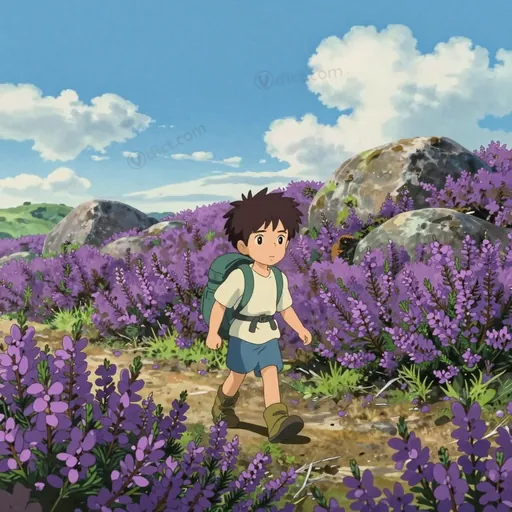
Adjective: heathery describes an area or landscape that is covered with heather (a low-growing shrub with small purple, pink, or white flowers, common in moorlands and hillsides). It can also refer to something reminiscent of heather, such as its color, texture, or scent.
- (The hills were covered with heather plants.)
- (The sweater had a texture or color resembling heather.)
- (The moorland was covered in heather.)
"heathery fragrance": a scent that is reminiscent of heather flowers, often described as earthy, floral, and slightly sweet.
- The perfume had a delicate, heathery fragrance that reminded her of Scotland. (The scent evoked the smell of heather.)
"heathery tones": colors that are muted, earthy, and suggestive of the purple, pink, or grey hues found in heather.
- The artist used heathery tones to capture the mood of the landscape. (The colors resembled those of heather.)
Heather (n): the low-growing shrub itself.
- The heather bloomed in a purple carpet across the moor. (The heather plant was flowering.)
Heath (n): an area of open uncultivated land, often with heather and other shrubs.
- The rabbit lived on the heath. (The rabbit lived in the open, heathery landscape.)
Heathland (n): a type of land covered with heath and heather.
- Heathland is a protected habitat in many countries. (The land is covered in heath and heather.)
Moorland: an area of open, high, uncultivated land, often covered with heather.
- The moorland was heathery and windswept. (The land was covered in heather.)
Bracken-covered: similar in texture but referring to ferns rather than heather (not a perfect synonym, but used for similar landscapes).
- There are no common idioms that use "heathery" directly, but the word "heather" appears in phrases like:
- "take to the heather": to become an outlaw or fugitive, historically in Scotland.
- After the rebellion, many men took to the heather. (They became outlaws hiding in the heathery hills.)