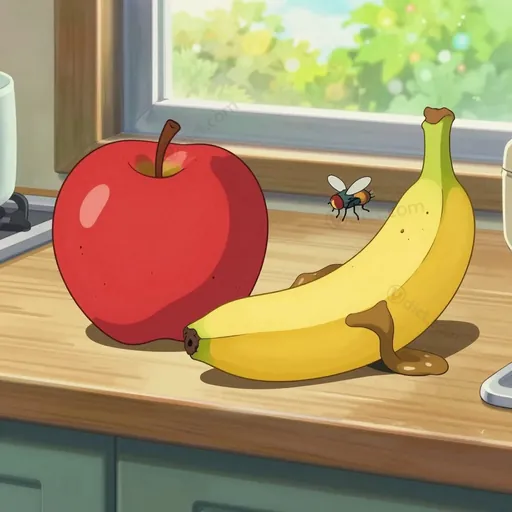
decayable
Definition
- Adjective:
- Liable to decay or spoil or become putrid: Describes something that is prone to decomposing, rotting, or deteriorating, especially organic matter like food or plant material.
Usage
- The adjective "decayable" is used to describe the inherent property of a substance or material that makes it susceptible to decomposition. It is often used in scientific, technical, or formal contexts.
- It typically modifies nouns referring to organic or perishable items.
Examples
- Adjective:
- Most fresh fruits are highly decayable and must be refrigerated.
- The study focused on the chemical structure of decayable organic matter in the soil.
- This packaging is designed for decayable goods to extend their shelf life.
Advanced Usage
- "decayable waste": Refers to biodegradable trash, such as food scraps and yard waste, that will decompose.
- The city collects decayable waste separately for composting.
Variants and Related Words
- Decay (verb/noun): The process of rotting or decomposing.
- The wood began to decay after years of exposure to moisture.
- Decayed (adjective): Having already undergone decomposition; rotten.
- They removed the decayed tree stump from the yard.
- Biodegradable (adjective): Capable of being decomposed by bacteria or other living organisms. (This is a close synonym but often implies a more environmentally friendly or natural decomposition process).
- We use biodegradable bags for our kitchen compost.
Synonyms
- Perishable: Likely to decay or go bad quickly, especially food.
- Decomposable: Capable of being broken down into simpler components.
- Putrescible: Liable to become putrid; capable of rotting. (More technical/scientific)
Antonyms
- Non-perishable: Not liable to decay quickly; long-lasting.
- Indestructible: Incapable of being destroyed or decomposed.
- Stable: Not likely to change or decompose; resistant to decay.
Adjective
- liable to decay or spoil or become putrid
Khám phá thêm
Các từ liên quan
Từ đồng nghĩa
Từ tương tự
Từ gần giống