osco-umbrian
Proper noun A branch of the Italic language family, now extinct, that was spoken in parts of ancient Italy. This group includes the Oscan and Umbrian languages, which were among the major languages displaced and eventually replaced by Latin as the Roman Republic expanded.
The term is used primarily in historical, linguistic, and academic contexts to classify and discuss these ancient languages collectively. * Scholars study Osco-Umbrian inscriptions to understand pre-Roman Italian societies. * The Osco-Umbrian branch is distinct from the Latino-Faliscan branch, which includes Latin.
- As an adjective: The term can function attributively to describe linguistic features or cultural artifacts related to these languages.
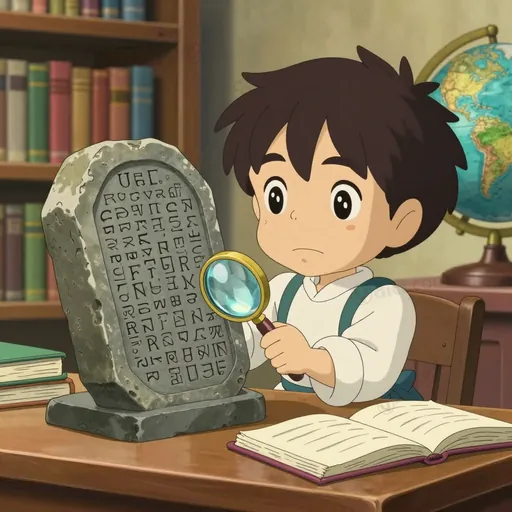
- The tablet contains an Osco-Umbrian text.
- Researchers are analyzing Osco-Umbrian grammatical structures.
- Oscan (proper noun): A specific language within the Osco-Umbrian group, spoken in south-central Italy.
- Umbrian (proper noun): A specific language within the Osco-Umbrian group, best known from the Iguvine Tablets, found in the region of Umbria.
- Italic (proper noun): The larger language family to which Osco-Umbrian belongs, also including Latino-Faliscan (Latin).
- Sabellian (This is an older, sometimes synonymous term used in linguistic scholarship, though its precise equivalence is debated.)
This term refers exclusively to a historical linguistic grouping. It does not refer to modern languages or dialects. The "dead languages" in the definition indicates these languages have no native speakers today and ceased to be used in daily life, largely supplanted by Latin.
-
a group of dead languages of ancient Italy; they were displace by Latin
Khám phá thêm
Các từ liên quan
Từ đồng nghĩa