tia
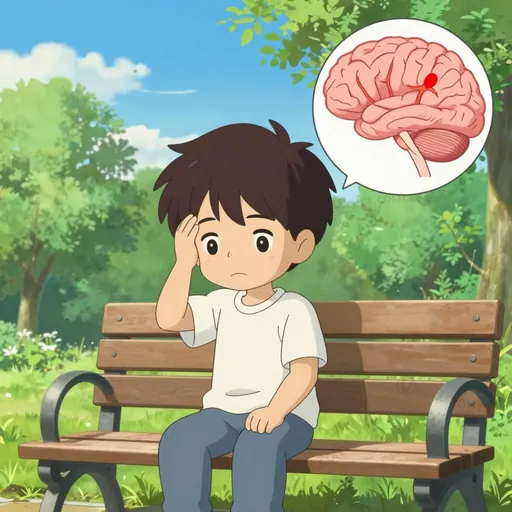
Noun: A Transient Ischemic Attack (TIA), often called a "mini-stroke," is a brief, temporary episode of neurological dysfunction caused by a disruption in the blood supply to a part of the brain. The symptoms are similar to those of a stroke but typically last only a few minutes and cause no permanent damage. It is a serious warning sign of a potential future stroke.
The term TIA is used primarily in medical contexts to describe a specific clinical event. It is a countable noun. - The patient was admitted to the hospital after experiencing a TIA. - TIAs are medical emergencies that require immediate evaluation. - His doctor explained that the numbness was likely due to a transient ischemic attack.
- "To have/suffer a TIA": This is the most common construction to describe experiencing the event.
- She had a TIA last year but has since recovered fully.
- "TIA-like symptoms": Used to describe symptoms that resemble those of a TIA but where the diagnosis is not yet confirmed.
- The patient presented with TIA-like symptoms, prompting further investigation.
- Transient Ischemic Attack: The full, formal name for a TIA.
- Mini-stroke: A common, informal synonym for TIA, used in public health communication.
- Ischemic Attack: A broader term that can refer to either a TIA or a full ischemic stroke.
- Warning Stroke: Another term emphasizing the role of a TIA as a precursor to a major stroke.
- Mini-stroke (informal)
- Warning stroke
- Cerebral transient ischemic attack (more specific)
TIA is a medical acronym. While it is often explained as a "mini-stroke," it is crucial to understand that it is a distinct clinical diagnosis defined by the temporary nature of its symptoms (usually resolving within 24 hours, but often much sooner) and the absence of permanent brain infarction on imaging. It is not a mild stroke; it is a transient event that serves as a critical warning.
-
brief episode in which the brain gets insufficient blood supply; symptoms depend on the site of the blockage
Khám phá thêm
Các từ liên quan
Từ đồng nghĩa